Dubai & UAE

Cross-Border Wealth, Trusts and Family Office Advice for UAE Families

When your family lives in Dubai and owns businesses or property elsewhere, every asset can follow a different set of rules. SK Law Office helps you plan who will own and manage those assets and how control will pass to the next generation.

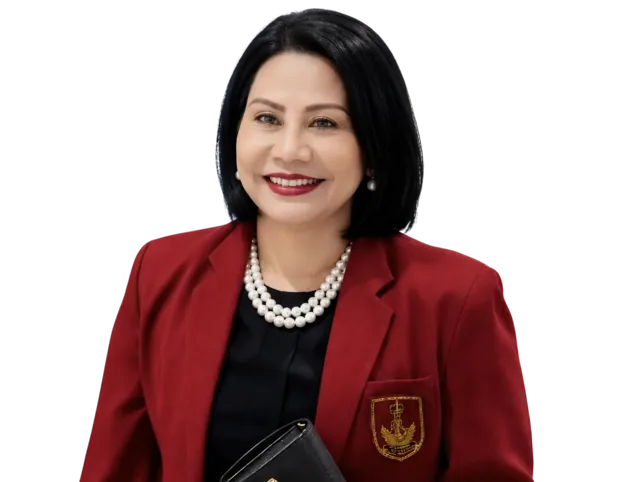
Samantha Yem, Founder and Managing Partner of SK Law Office
Samantha YemFounder & Managing Partner
SK Law Office · Phnom Penh

Where cross-border family arrangements tend to break down

Family decisions and company decisions belong in different documents

A family may agree that one child will run a company while others receive distributions or an interest in different assets. Making that plan work requires aligned shareholder agreements, banking mandates, wills and governance rules. Investors in the Gulf and Cambodia also need to agree who can approve a sale, replace a director or respond if a founder loses capacity while living abroad.

Select a vehicle the assets can legally enter

Dubai offers several family wealth arrangements, including foundations, trusts and holding entities under the DIFC framework. The assets themselves may sit in a different legal system. Cambodian shares, lease rights and real estate each need a separate transfer review. Check registration, consents, security claims, land restrictions and local recognition before adopting a structure that depends on moving the asset.

Make banking and reporting part of the design

Banks and other institutions may need a complete record of the beneficial owners, how the family earned its wealth and who can instruct transactions. Tax obligations can depend on where family members live, where a vehicle is managed and what income it receives. We involve banking and tax advisers early enough to test whether the design can be implemented, maintained and explained over time.

Allow for different countries and different generations

An adult child may move from Dubai for education, accept a post abroad or marry under another jurisdiction’s law. Those events can change tax, family law and succession questions even where the underlying assets stay put. Family arrangements should identify how and when to revisit distributions, control and appointment rights so the plan can adapt after the next major change.

Legal work for families with UAE and Cambodian interests

Map assets, rights and responsibilities

We review where important assets are held, who is named on title or in company registers, who has provided security and what agreements restrict changes. For operating businesses, we identify who can sign contracts, hire management and authorise banking when a principal cannot act. This creates a reliable record for advisers reviewing succession or a transfer.

Compare trusts, foundations and company arrangements

We help the family set requirements for decision-making, distributions and succession before choosing a vehicle. Cambodian trust arrangements are subject to the national trust framework and applicable approval and registration rules. For a DIFC arrangement, we coordinate with counsel authorised for that work. Each option is tested against the proposed assets, the people involved and the duties the arrangement will impose.

Align estate documents and corporate governance

When there are wills or succession arrangements in more than one country, we coordinate the scope of each document with local counsel. For family entities in Cambodia, we review company records, shareholder agreements and the rules for transferring interests. We also identify any key contract or credit agreement that requires notice or consent on a change of control.

How a cross-border family mandate progresses

  1. Assess family goals and immediate risks

    We discuss family roles, countries of residence, the businesses and the decisions that need attention first. If a family member has already moved or a succession event is imminent, we identify the documents and advisers relevant to that immediate decision.

  2. Carry out due diligence and compare structures

    We map ownership, review asset restrictions and bring in tax or regulatory advisers where needed. The comparison covers control, reporting, implementation cost and the terms on which a family member could leave or receive a distribution.

  3. Implement documents and agreed transfers

    We prepare Cambodian documents and coordinate work handled by counsel in the UAE and elsewhere. Implementation proceeds in the order dictated by consents, signatures, bank requirements and registrations. We record who must act and which documents establish completion.

  4. Maintain the governance record

    We help the family identify records to retain and dates for reviewing company officers, trust arrangements and filing duties. Ownership changes, new marriages, relocations and succession events can then be assessed against a current record of rights and responsibilities.

A Phnom Penh point of contact for a cross-border family

Samantha Yem, the Cambodian-American founder and managing partner of SK Law Office, leads a Phnom Penh practice advising on private-client, investment and dispute matters. Cambodian advice can cover local company rights, property arrangements and relevant regulatory processes within the same engagement.

We can coordinate with an existing family office, accountant, banker or external counsel. Our international professional network includes the Middle East, and the advisers engaged for a matter depend on the legal systems and assets involved.

Frequently asked questions

Can a DIFC foundation hold Cambodian assets?

Determine what the foundation can hold under its governing law and whether the Cambodian asset can legally transfer to it. Shares, leases and land involve different rules. Registrations, taxes, contractual consents and rights of creditors may affect the decision.

Do we need a trust if we already have a family holding company?

The answer depends on the job the structure needs to do. A holding company may already centralise ownership. Review succession on death or incapacity, family distributions and who can replace decision-makers before deciding whether a trust, foundation or revised company documents make sense.

Will putting an asset into a trust remove our tax obligations?

Tax advisers should review the transfer, income and future distributions in every relevant jurisdiction. The treatment can depend on residence, management, asset location and beneficiary rights. Identify required filings and account reporting before moving assets.

Can SK Law Office coordinate directly with our Dubai family office?

Yes, subject to the scope and confidentiality arrangements agreed with you. We can review Cambodian documents and agree who will handle local law, tax, accounting and administration. The family office can continue to manage communication or records within its mandate.

What documents are useful for the first discussion?

Start with a high-level list of assets, locations, entities and existing advisers, plus the family decisions you want to address. Provide account details, trust deeds, ownership documents and sensitive personal records through the secure process agreed for the engagement.

Schedule a Confidential Consultation

Set out your objective and a practical timeframe. We can arrange an initial conversation from Phnom Penh.

SK Law Office
203, Kim Hap Building, 2nd Floor, Mao Tse Toung Blvd (245), Sangkat Tuol Svay Prey 2, Khan Boeung Kengkang, Phnom Penh, Cambodia

+855 23 900 477WhatsApp +855 12 222 578info@sk-laws.com

Please share a brief outline only. We handle enquiries discreetly and arrange a secure channel if documents are needed.

If helpful, include an approximate investment range. Leave out passport numbers and other sensitive details.